


02 - The Base Vehicle
The Right Size and Specifications
Anyone who thinks that reading all these blogs and forums is a bit premature without actually having a vehicle is mistaken. It's true that converting a vehicle into a camper van isn't possible without a vehicle to begin with. But without doing your research first, it's almost impossible to choose the right vehicle. And this step is arguably the most important in the whole project and should therefore be carefully considered.
First of all, the question of size needs to be clarified. A standard car is out of the question here, as there is hardly any room for a bed. A slightly longer estate car, any type of van or minibus, are more likely to fit the bill. But lorries and buses could also be considered. Yet how much is too much? And where is the lower limit?
On my round-the-world trip, I had a Mitsubishi L300 “Express” with a camper conversion in Australia. Compared to many other campervans, it is a small vehicle. Consequently, the fittings were rather basic, no question about it. Nevertheless, I felt comfortable in it and everything I needed was there. Even so, space was severely limited. Apart from a fixed bed, there was only the kitchen at the rear. Storage space was located under the bed and could only be accessed by lifting the entire bed. So there was no real seating area, and in bad weather it wasn't possible to cook inside.
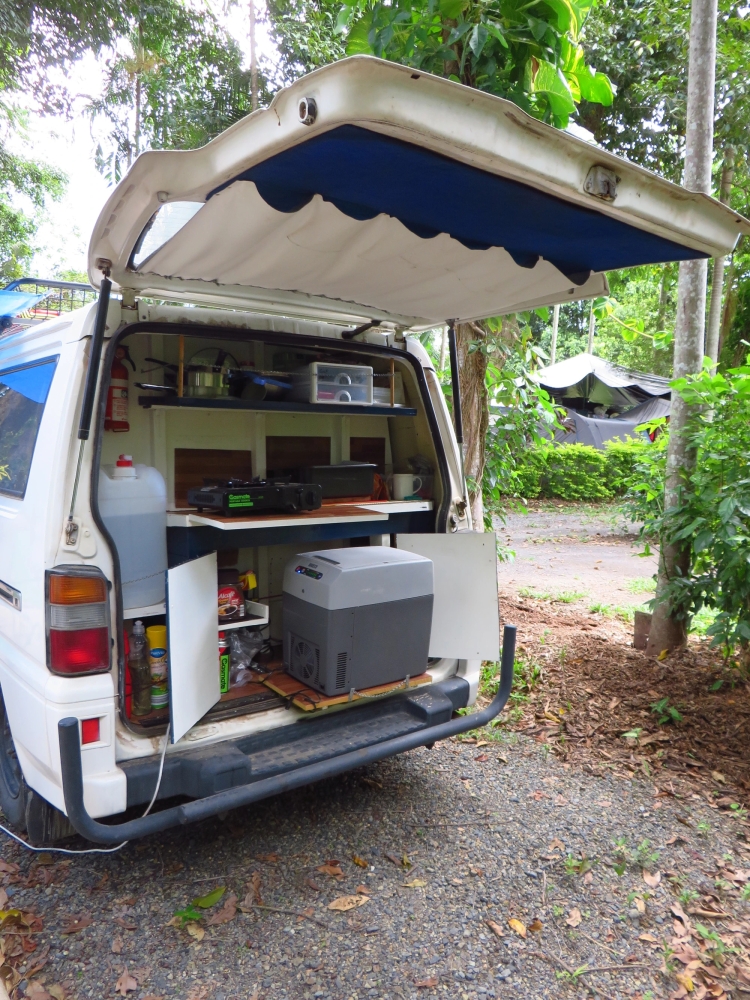
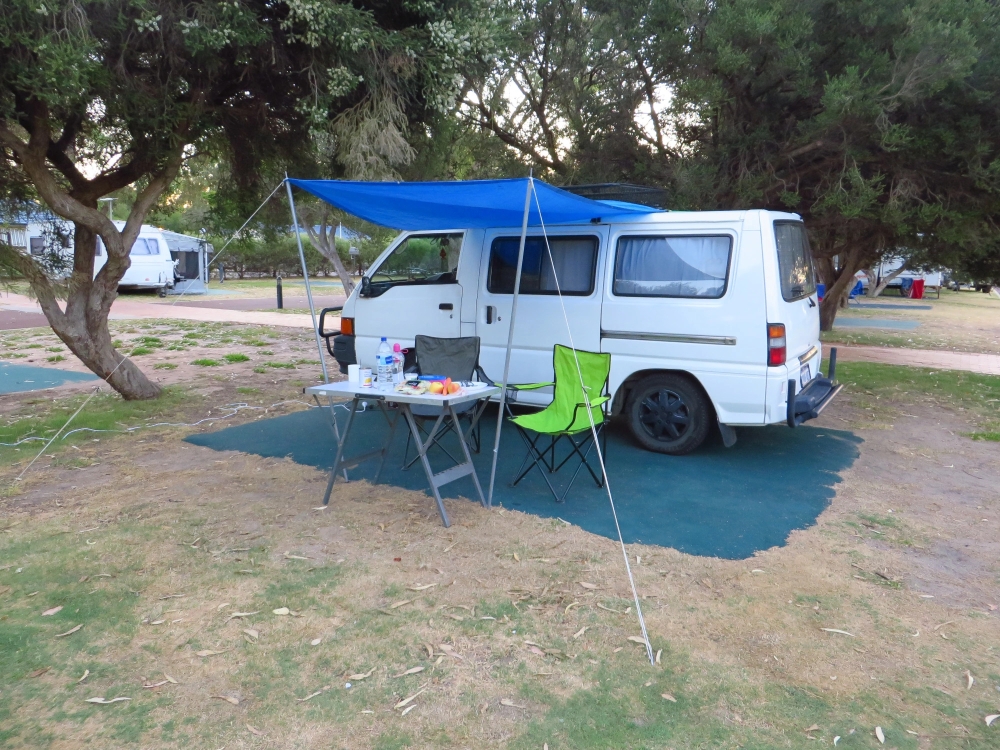
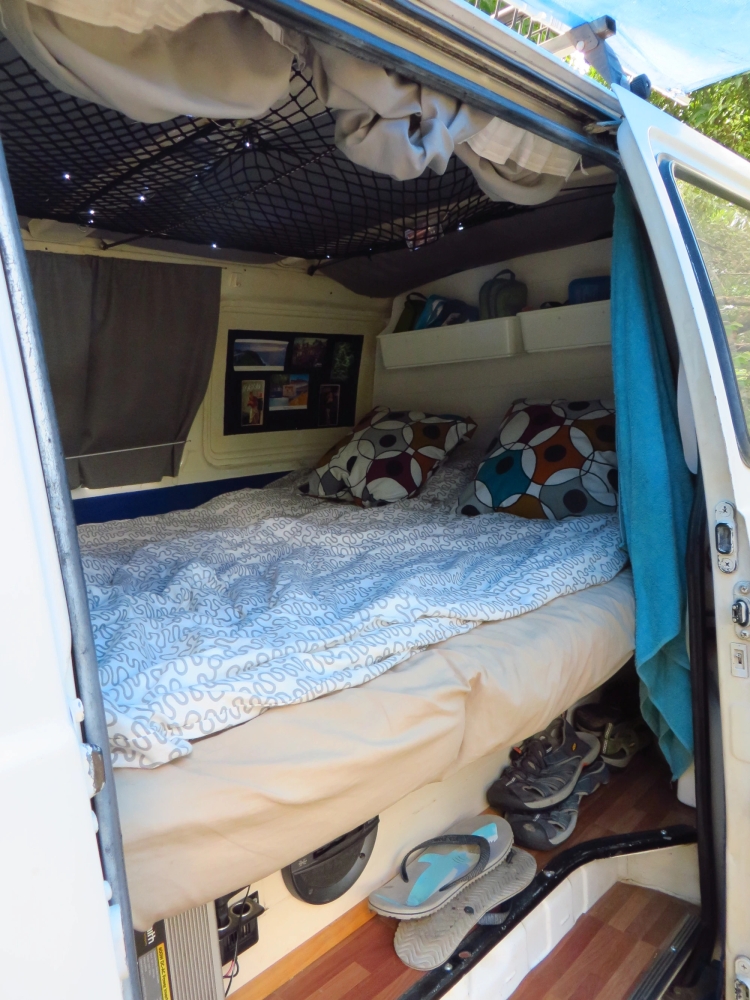
Based on this, estate cars were also out of the question for me, as the headroom inside is very limited, making it rather unpleasant to spend time in the vehicle in bad weather. Lorries and buses were ruled out simply because of their size, fuel consumption and purchase price. This left only vans and minibuses.
But even here, there is plenty of scope. Should the bed fit across the width? Should the vehicle offer standing height? If so, as a high-roof or pop-up roof model? Should it be long enough for a wet room? These and similar questions can be answered by considering the intended use. A wide and long vehicle cannot go everywhere, e.g. through narrow streets in Italy. A tall vehicle with headroom is more susceptible to wind. A wet room was also quickly ruled out, as this requires additional water supplies, a waste water tank and the necessary pipework. What remains? A bed must fit inside. There should be seating. And there should be the option to cook inside if the weather isn't playing ball. So it didn't matter to me whether the bed could be arranged crosswise or lengthwise. I was therefore able to narrow down the choice of base vehicle to models such as the Toyota Hiace, VW Transporter or UAZ Buchanka.
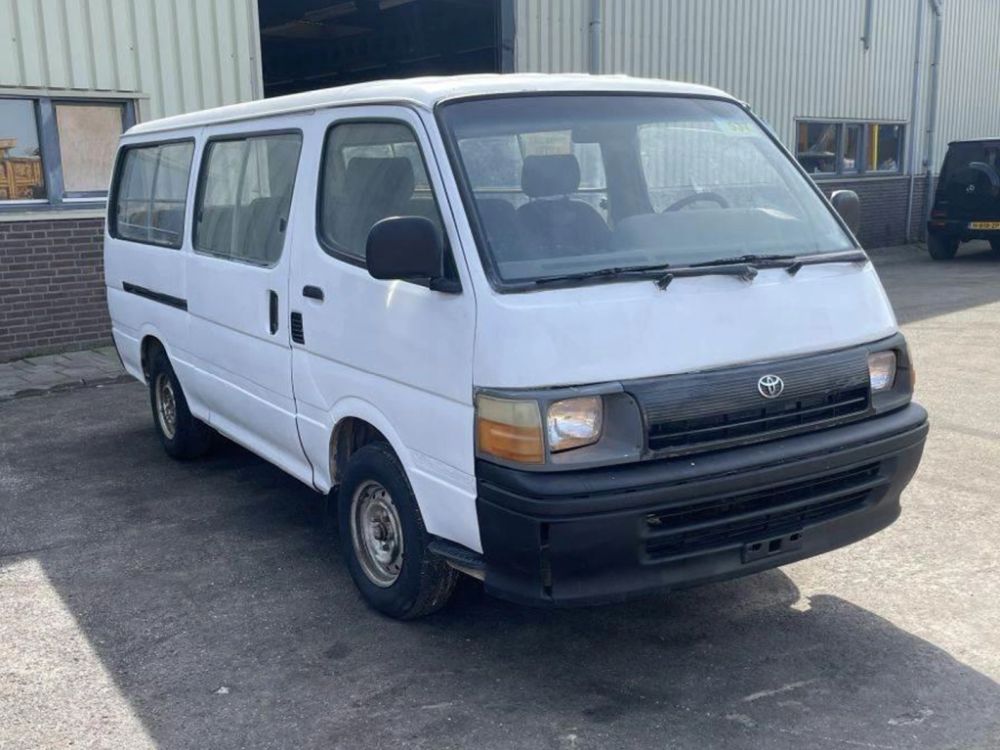
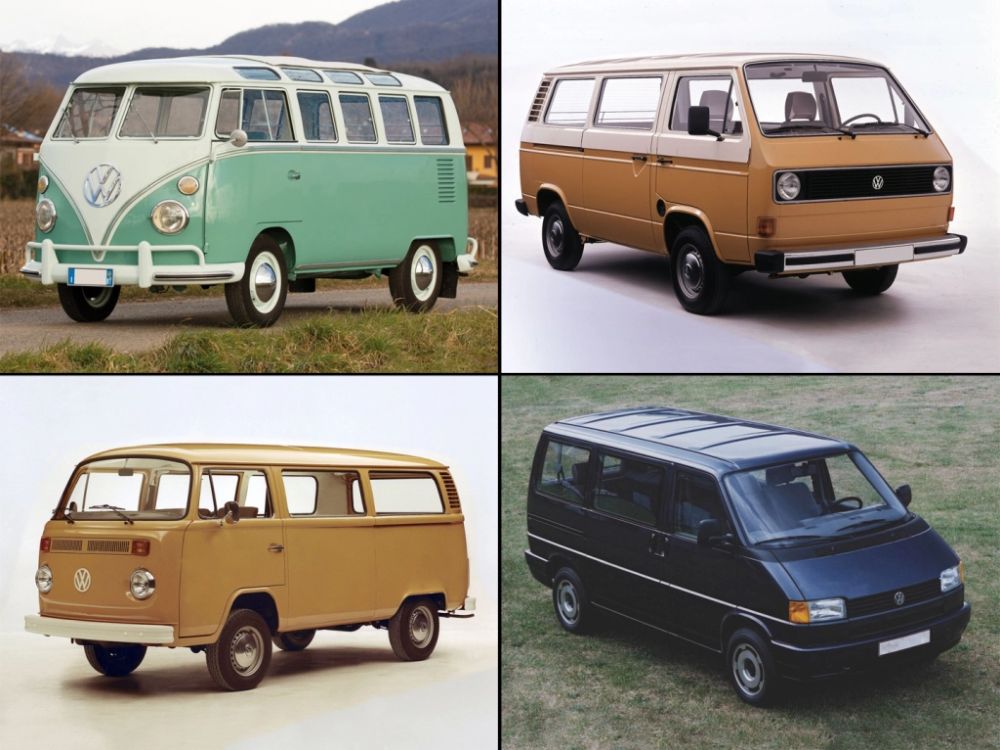
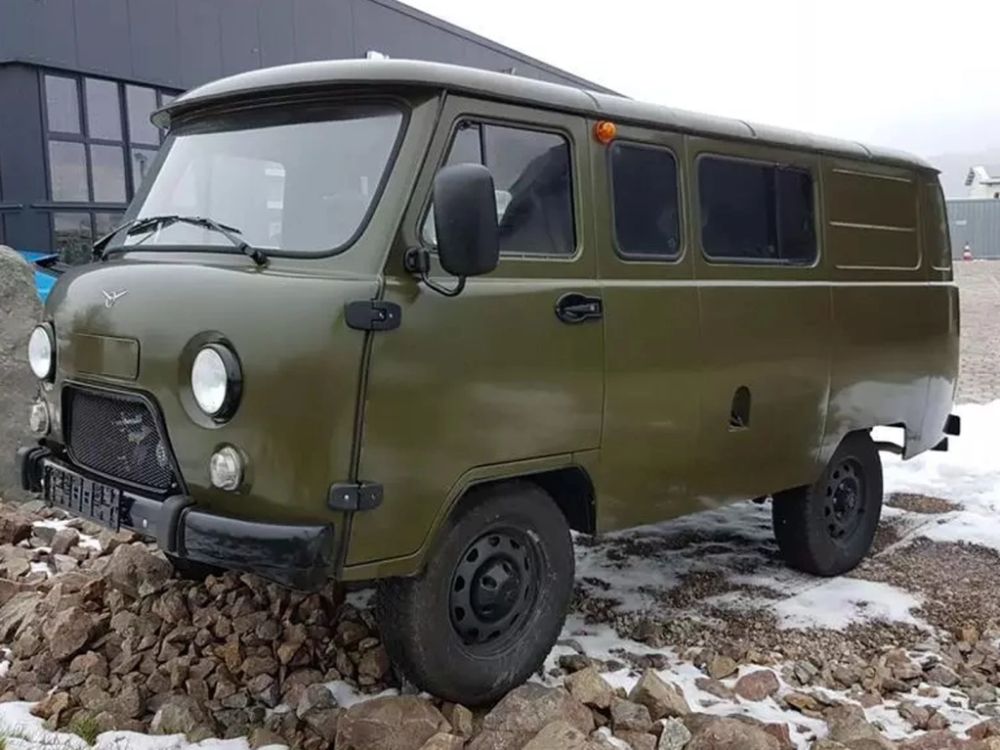
As I might want to venture off the beaten track whilst travelling, I allowed myself the luxury of four-wheel drive, specifically a selectable four-wheel drive system, so that I could use it when needed.
The Vehicle Search
So there was a selection of potential vehicles. And I had also set myself a budget. Now the search began. I
scoured every possible and impossible used car dealer in Augsburg and the surrounding area, searched the relevant
websites online and compared the range of offers. After I managed to track down a dealer near Cologne who actually
sells used Toyota Hiaces with four-wheel drive - something you don't usually find in Germany - I had to go
there straight away.
The name of the car dealership should have put me on my guard. Most of the vehicles are exported to Africa.
Nevertheless, it is also possible to buy one in Germany. I would probably have had to buy at least two cars to end
up cobbling a whole one together.
It quickly became clear that my budget for the base vehicle would have to be higher. So the search continued. But as the saying goes: “Seek and ye shall find!”
After a seemingly endless search online and at used car dealers, I came across an advert for a VW T4 Syncro. Compared to all the other vehicles, it seemed to be in pretty good condition and the mileage was surprisingly low for the price. As the vehicle had originally been owned by the Federal Police and was currently being used by the Schenklengsfeld Volunteer Fire Brigade, it had a full service history.
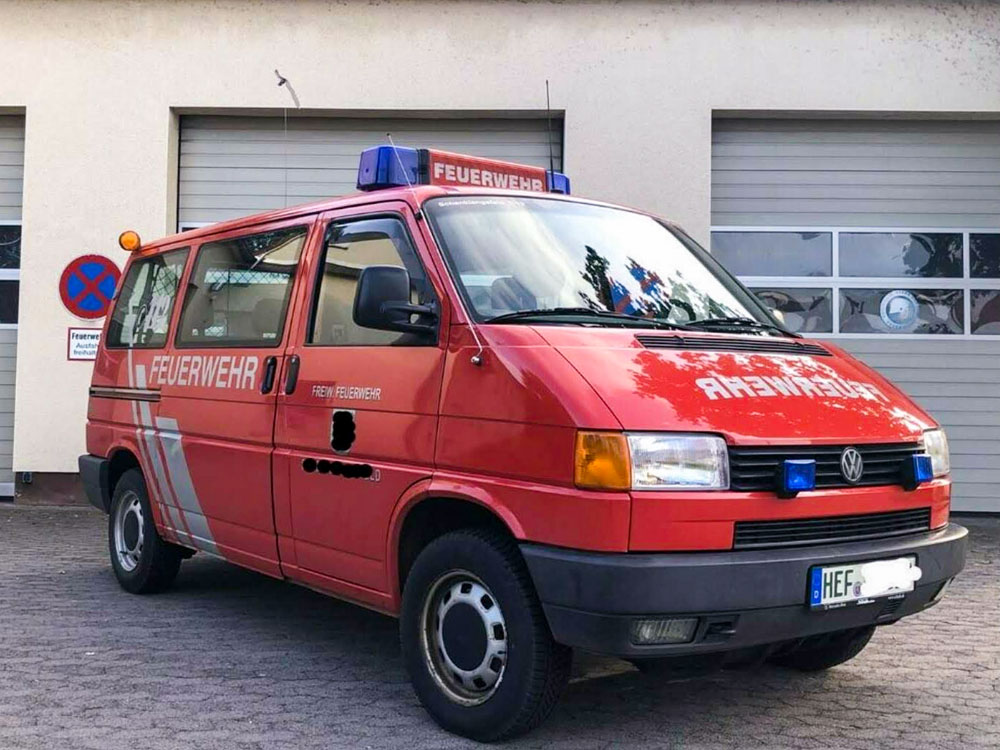
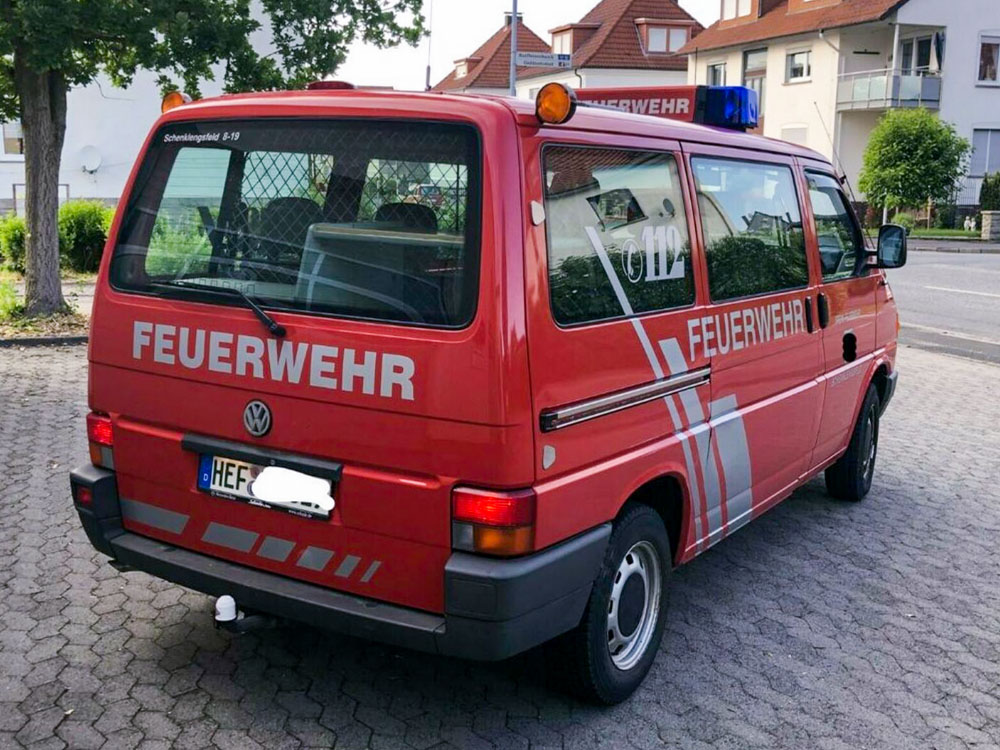
During a test drive, I was able to see the quality for myself. The engine started without any problems and then
purred away like a kitten. The steering had no play and I couldn't find any serious faults elsewhere either.
I could only spot a few rust spots on the bodywork, and a look under the bonnet revealed no faults either. The MOT
was still valid. After a brief haggle over the price, I managed to secure a discount.
Nevertheless, I asked for some time to think it over!
After sleeping on it and giving it all careful consideration, I got in touch with the seller and accepted the offer. For a final price of €8,500, I purchased a 1995 VW T4 Syncro with around 170,000 km on the clock. A comparative search generally yielded prices in the five-figure range.
Now all that remained was to sign the sales contract and get the vehicle to Augsburg. But more on that in the next post.
Comments
Write a comment
Your email address will of course not be published.